FADA 167A Hazeltines Neutrodyne Circuit Radio Receiver Book
( Brand: Fada ), ( Manufacturer Part Number: 167A ), ( Part Type: Radio Receiver Book ), ( Country/region Of Manufacture: United States )
Review FADA How To Build Hazeltines Neutrodyne Circuit Radio Receiver Book
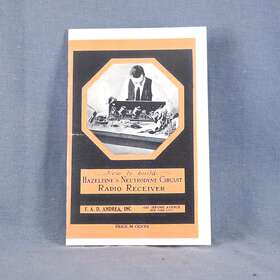
Fada 167A 1923 Hazeltine Neutrodyne Circuit Radio Receiver Book
This is an exceptional and rare collectible item, the Fada 167A 1923 Hazeltine Neutrodyne Circuit Radio Receiver Book. This book is a treasure trove for radio enthusiasts and historians, providing a detailed and technical look into the early days of radio technology.
The Fada 167A is a comprehensive guide to the Neutrodyne circuit radio receiver, a groundbreaking design from the early 1920s. The book is filled with clear and detailed diagrams, schematics, and instructions for building and operating the Neutrodyne receiver. The Neutrodyne circuit was a significant innovation in its time, using a Neutron tube to amplify the radio signal, providing better sound quality than previous designs.
The book is published by Fada, a well-known publisher of technical and scientific literature in the early 20th century. The cover features a sleek, art deco design and is in good condition, showing only minor signs of wear. The pages are nicely bound and are in excellent condition, with no tears or significant fading.
The Fada 167A 1923 Hazeltine Neutrodyne Circuit Radio Receiver Book is not just a book, but a piece of history. It offers a unique glimpse into the early days of radio technology, a time when the science of radio was still being discovered and explored. It's a must-have for any radio enthusiast or history buff, and a great addition to any collection of vintage electronics literature.
Pros of buying a "Fada 167A 1923 Hazeltine Neutrodyne Circuit Radio Receiver" book:1. Historical Interest: This book provides a deep dive into the history of radio technology, specifically focusing on the Neutrodyne circuit developed by Edwin Howard Armstrong. If you're a radio enthusiast, collector, or just someone interested in the history of technology, this book could be a fascinating addition to your collection.
2. Technical Knowledge: The book offers detailed explanations of the Neutrodyne circuit and its components. It can be a valuable resource for those interested in electronics, radio engineering, or DIY projects.
3. Rare and Collectible: As a vintage book, it has collectible value. The condition, age, and rarity of the book can significantly impact its value.
Cons of buying a "Fada 167A 1923 Hazeltine Neutrodyne Circuit Radio Receiver" book:1. Limited Practical Application: The information in the book may have limited practical application in today's digital age. While the principles of radio technology still apply, the specifics may not be relevant to modern radio receivers.
2. Difficulty in Understanding: The book was written in a time when the technology was new, and the language used may be difficult for some modern readers to understand.
3. Physical Condition: As a vintage book, it may be in poor physical condition, with pages yellowed, brittle, or missing. This can make it difficult to read and may require special care to preserve.
Conclusion:The "Fada 167A 1923 Hazeltine Neutrodyne Circuit Radio Receiver" book is a valuable resource for those interested in the history of radio technology and electronics. It offers a deep dive into the Neutrodyne circuit, a significant development in the field. However, its limited practical application and potential difficulty in understanding may make it less appealing to some. If you can appreciate its historical value and are willing to invest in its preservation, it could be a worthwhile addition to your collection.
Recommendation:If you're a radio enthusiast, collector, or technology historian, this book could be a valuable addition to your collection. However, be prepared for the potential challenges in understanding the language and condition of the book. If you're unsure, you could consider purchasing a digital copy for easier reading and availability.
Details:
1920s FADA 167A Neutrodyne 5 tube Radio, How to build it book replica. It was this radio that motivated the creation of building instructions book. The FADA 167A Neutrodyne radio was originally sold as a kit, or just the building instructions. It covers how to build either a 5 tube or 4 Neutrodyne radio.
Here is a reproduction of those building instructions.
part #: 167a prices
- $159.99-$398.00
specifications vintaelec:
- brand: Fada
- mpn: 167a
- part type: Radio Receiver Book
- country/region of manufacture: United States
general vintaelec:
- Consumer Electronics > Vintage Electronics > Other Vintage Electronics
- condition: New
ratings:
- Just as advertised great sockets in perfect shape!!! Plus very fast shipping makes this a super deal thanks!!!! 10-01-23
- Thanks for a pleasant transaction. Enjoy your Branded Shipping Supplies! 10-01-23
- Hope to deal with you again. Thank you. 10-01-23
- Fast shipping! This coil was exactly what I was looking for! Making a shortened antenna for HF at my apartment antenna restrictions. Thank you very much! Seller rating AAAAA 10-01-23
- Good communication and fast shipping. Thank you 10-01-23
returns vintaelec:
- paid by: Buyer
- policy: Returns Accepted
- method: Money back
- time: 30 Days
offer vintaelec:
- sold: 0
- options: Ship-to-home
- started: November 1, 2023
- availability: In Stock
- quantity: 1
seller vintaelec:
- detailed rating: Charges: 4.9/5, Accuracy: 4.95/5, Speed: 4.99/5, Communication: 4.95/5
- # feedbacks: 5416
- rating: 100.0%
- city: Anamosa, Iowa
shipping vintaelec:
- transit: 4-7 Days
- service: USPS Media Mail, USPS Priority Mail
- cost: $4.92
- class: Economy, Expedited
- carrier: USPS
- type: Calculated
payments vintaelec:
- credit card: Visa
- wallet: Apple-pay