INTEL MD8253C Interval Timer Programmable
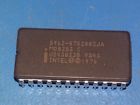
( Brand: Intel ), ( Manufacturer Part Number: MD8253C ), ( Part Type: Timer ), ( Country/region Of Manufacture: United States )
Review INTEL Interval Timer Programmable
The MD8253C Interval Timer Programmable Intel is a versatile and high-performance electronic timer device designed for use in various digital systems. This timer is based on the Intel 8253/8254 timer chip, a popular and widely used 8-bit timer/counter IC in the microprocessor industry.
The MD8253C Interval Timer is a 16-bit timer that provides three independent 16-bit up/down counter channels. Each channel can be programmed to generate either an interval timer or a one-shot timer, making it highly flexible for a wide range of applications. The timer can be used for generating time delays, pulse width modulation, frequency synthesis, and synchronizing different parts of a digital system.
The device features two mode of operations, namely, mode 1 and mode 2. In mode 1, the timer generates a square wave output at the frequency equal to the input clock divided by the counter value. In mode 2, the timer generates a frequency equal to the input clock multiplied by the counter value.
The MD8253C Interval Timer is easy to use and program, thanks to its simple and intuitive interface. It has a set of 16-bit registers that allow the user to configure the timer's operation, including the count value, the mode of operation, the initial count value, and the output polarity. The timer can be controlled through a single 8-bit data bus and three control signals: STOP, WRITE, and READ.
The MD8253C Interval Timer is a powerful and reliable timing solution, ideal for use in embedded systems, industrial automation, communication systems, and any other application that requires precise timing and control. Its small form factor and low power consumption make it a great choice for use in battery-powered devices.
In conclusion, the MD8253C Interval Timer Programmable Intel is a versatile and powerful timing device that offers a wide range of features and programmability options. Its simple interface and low power consumption make it a great choice for use in a variety of applications, from simple time delay generation to complex frequency synthesis.
Pros of buying MD8253C Interval Timer Programmable Intel:1. Flexibility: The MD8253C is a versatile timer that can be programmed to generate various time intervals, making it suitable for a wide range of applications.
2. Reliability: Intel-based timers are known for their reliability and durability, ensuring that the MD8253C will serve you well over an extended period.
3. Ease of use: The MD8253C has a simple interface, making it easy for beginners to program and use.
4. Cost-effective: Compared to more advanced timer chips, the MD8253C is relatively inexpensive, making it an attractive option for budget-conscious users.
Cons of buying MD8253C Interval Timer Programmable Intel:1. Limited functionality: While the MD8253C is versatile, it has limited functionality compared to more advanced timer chips. It may not be suitable for complex or high-performance applications.
2. Requires external components: The MD8253C requires external components like resistors, capacitors, and crystals to function, which may add to the overall cost and complexity of the project.
3. Lack of built-in features: The MD8253C does not have built-in features such as pulse width modulation (PWM) or counter modes, which may be required for certain applications.
Ending conclusion:The MD8253C Interval Timer Programmable Intel is a reliable, cost-effective, and easy-to-use timer chip suitable for a wide range of applications. However, its limited functionality and the need for external components may make it less suitable for complex or high-performance applications. Ultimately, the choice between the MD8253C and more advanced timer chips depends on the specific requirements of your project.
Recommendation:If you are looking for a simple, cost-effective timer for basic applications, the MD8253C Interval Timer Programmable Intel is an excellent choice. However, if you require more advanced features or higher performance, you may want to consider more advanced timer chips that offer additional functionality.
Details:
Quantity 1, interval timer, programmable.
specifications vintaelec:
- brand: Intel
- mpn: Md8253c
- part type: Timer
- country/region of manufacture: United States
Shipping vintaelec:
- cost: $7.2
- handling: 3 days
- type: Calculated
Offer vintaelec:
- bids: 0
- Started: December 14, 2018, 1:01 pm
- Sold: 0
- quantity: 24
- best offer: true
Ratings:
- Hard to find at a fair price 12-06-18
Seller vintaelec:
- zipcode: 78228
- rating 12-14-18: 100.0%
- city: San Antonio, Texas
- # feedbacks 12-14-18: 1
Payments vintaelec:
- PayPal
General vintaelec:
- in stock: Yes
- Vintage Electronics > Other Vintage Electronics
Returns vintaelec:
- paid by: Buyer
- type: Money Back
- policy: returns accepted
- time: 30 Days
Intel MD8253C Is Similar To:
- Md8253-b Intel Ic Timer Chip (60.9% similar) Part number: MD8253 bate codes 8432, 8516, 8608, 8635, 8646, 8703, quantity, microcircuit timer dip 24 pin unused never installed excess stock...(February 22nd, 2018)
- Intel P82c54 Programmable Interval Timer Pit Chip (48.9% similar) Its programmable features make it easy to customize and set specific time intervals for a wide range of applications, making valuable component variety industrial consumer electronics products. The Intel P82C54 programmable interval timer pit chip is a versatile and reliable timer manufactured by. ...(July 20th, 2025)